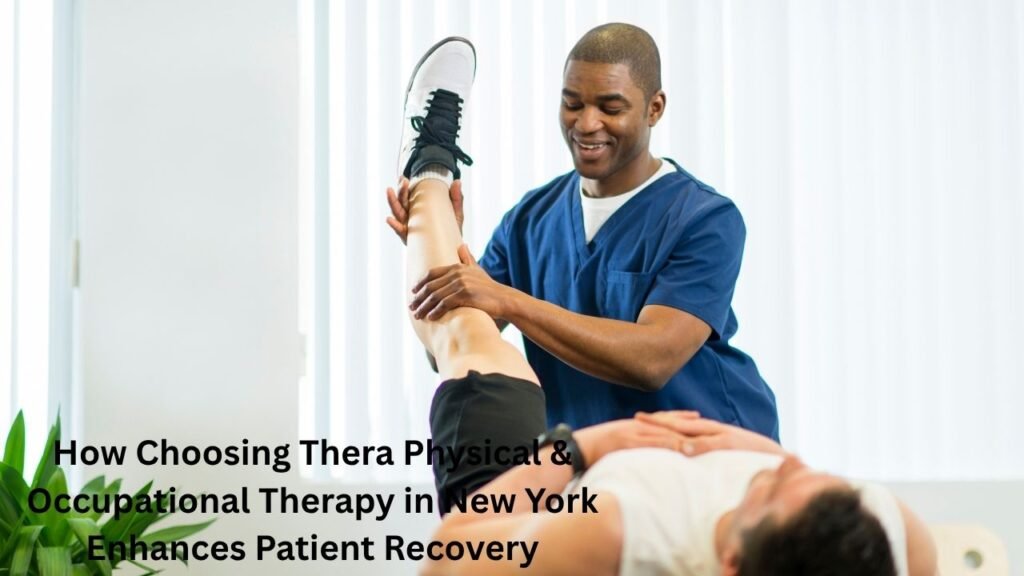

Patient recovery in physical and occupational therapy is a journey requiring personalized care and expert intervention. The choice of therapy provider can greatly affect the outcome. In New York, selecting a provider like Thera Physical & Occupational Therapy offers distinct advantages. This article explores how Thera’s approach to therapy boosts recovery through tailored plans, skilled therapists, innovative techniques, and a nurturing environment.
Enhancing Patient Recovery Through Personalized Therapy Plans
Thera Physical & Occupational Therapy in New York excels in creating personalized therapy plans tailored to each patient’s unique needs. By leveraging the Thera Physical & Occupational Therapy in New York, Thera ensures that each treatment plan is aligned with the patient’s specific health goals and outcomes. This model emphasizes quality over quantity, focusing on achieving tangible results in patient health.
Personalized plans at Thera consider various factors, including Social Determinants of Health (SDOH) such as the patient’s living conditions and support systems. Integrating this information allows therapists to design more effective and holistic recovery strategies. This patient-centered approach not only optimizes the recovery process but also enhances long-term health outcomes.Social Determinants of Health (SDOH)
Moreover, the use of Clinical Decision Support Systems (CDSS) ensures that every therapy decision is backed by data-driven insights, further optimizing patient care. CDSS aids therapists in selecting the most effective interventions, thereby improving the recovery rates and patient satisfaction.
The Role of Experienced Therapists in Rehabilitation
At Thera, the experienced therapists are a cornerstone of successful rehabilitation. Their expertise in handling diverse cases, from sports injuries to chronic pain management, makes them adept at guiding patients through recovery. The therapists’ proficiency is enhanced by their access to Electronic Health Record (EHR) Interoperability, which allows them to seamlessly coordinate with other healthcare providers.
This interoperability ensures that therapists have a comprehensive view of the patient’s medical history, facilitating well-informed clinical decisions. It also aids in Chronic Care Management, providing a continuum of care that is crucial for patients with long-term conditions.
Furthermore, Thera’s therapists are trained in Behavioral Health Integration, addressing the psychological aspects of recovery. This holistic approach not only treats the physical symptoms but also supports mental well-being, a critical component in the rehabilitation process.
Integrating Advanced Techniques for Effective Healing
Thera Physical & Occupational Therapy stands out by integrating advanced techniques such as Remote Patient Monitoring (RPM) and Healthcare Analytics Dashboards. These technologies enable therapists to track patient progress in real-time, adjusting treatment plans as necessary for optimal outcomes.
RPM allows for continuous monitoring of patients’ recovery metrics, offering insights into their progress outside of clinical settings. This proactive approach helps in identifying any setbacks early, ensuring timely interventions. The use of healthcare analytics enhances this process by providing detailed reports on patient progress and therapy effectiveness.
Additionally, the integration of Telehealth services expands access to therapy, making it possible for patients to receive guidance and support without the need for frequent in-person visits. This flexibility is particularly beneficial for patients with mobility issues or those living in remote areas.
Creating a Supportive Environment for Patient Success
Thera’s commitment to creating a supportive environment significantly contributes to patient recovery. The clinic’s focus on Population Health Management ensures that resources are allocated efficiently to support patient needs, fostering an environment conducive to healing.
Moreover, the Utilization Review Process at Thera guarantees that therapeutic interventions are both effective and necessary, avoiding unnecessary procedures and focusing on what truly benefits the patient. This process is integral to maintaining high standards of care and optimizing resource use.
The supportive atmosphere at Thera also encourages Medication Adherence Monitoring, ensuring that patients follow prescribed treatments accurately. This adherence is vital for recovery, as proper medication use complements physical and occupational therapy efforts, enhancing overall health outcomes.
Conclusion
Choosing Thera Physical & Occupational Therapy in New York provides patients with a comprehensive, evidence-based approach to recovery. Through personalized plans, experienced therapists, cutting-edge techniques, and a supportive environment, Thera enhances patient recovery and long-term wellness. For anyone seeking effective rehabilitation solutions, Thera offers a pathway to improved health and quality of life.